Compact AC/DC and DC/DC power modules for smart meter designs — from wide-input mains conversion to isolated communications, logic rails and auxiliary power.
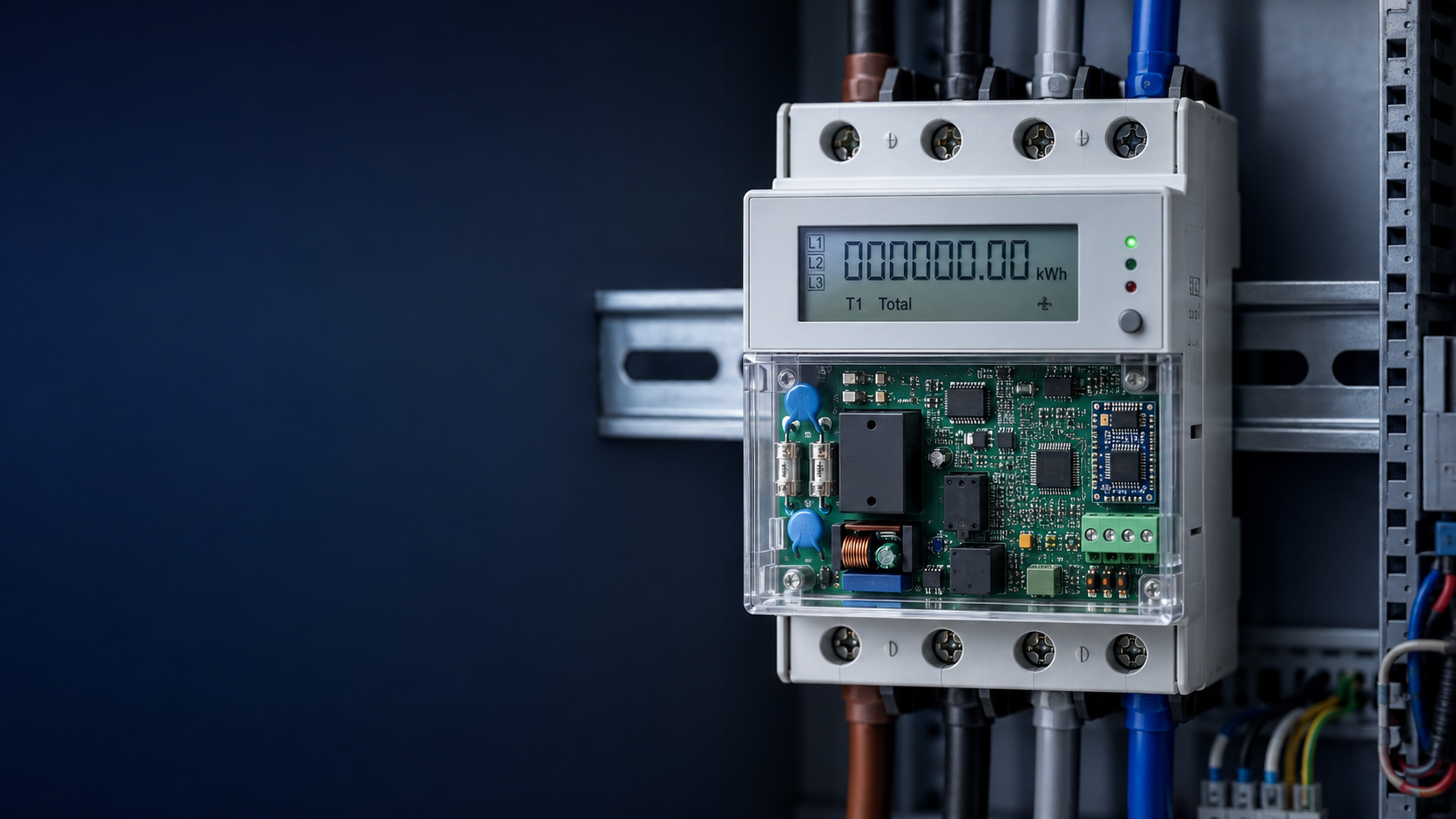
Smart energy meters combine precision measurement, digital processing, communication and load control in a compact enclosure connected directly to the power grid. Their power architecture must support continuous operation, light-load efficiency, transient immunity and stable measurement performance while meeting strict space and cost targets.
AMI smart meters, 220 VAC, 3.3 V / 5 V logic rails for MCU and metrology.
0.5S / 0.2S class billing meters with wide input and reinforced isolation.
Control board and communication module auxiliary power in AC chargers.
Bi-directional metering in complex electromagnetic environments.
One module covers global grids — 90–528 VAC — reducing platform variants.
3 kVDC isolated DC/DC for metering, comms and auxiliary circuitry.
Low-noise rails protect sensitive metrology and keep measurements trustworthy.
Long-life, always-on power with robust thermal and lifetime margin.
Input range, surge levels and front-end protection must be evaluated together.
One SKU covers global grids — fewer platform variants.Light-load and burst-mode behavior can affect standby consumption and EMC.
At million-unit scale, standby loss matters.Switching noise, grounding and isolation capacitance can influence sensitive metrology circuits.
Noise must not degrade billing-grade accuracy.Isolated options support communication interfaces and dedicated auxiliary domains.
Clean ground separation for PLC / RS-485 / cellular.Temperature, derating and component selection matter in compact, always-on equipment.
Designed for 10+ year field life.Typical architectures showing how AC/DC, isolated DC/DC and non-isolated DC/DC modules can support different power domains.
Figure 1. Example 12 V bus architecture. Actual rails and isolation requirements depend on the meter design. The complete input protection and EMC network should be evaluated together with the selected AC/DC module.
Figure 2. Example 24 V bus architecture. Actual power take-off depends on meter topology and regional grid configuration. The complete input protection and EMC network should be evaluated together with the selected AC/DC module.
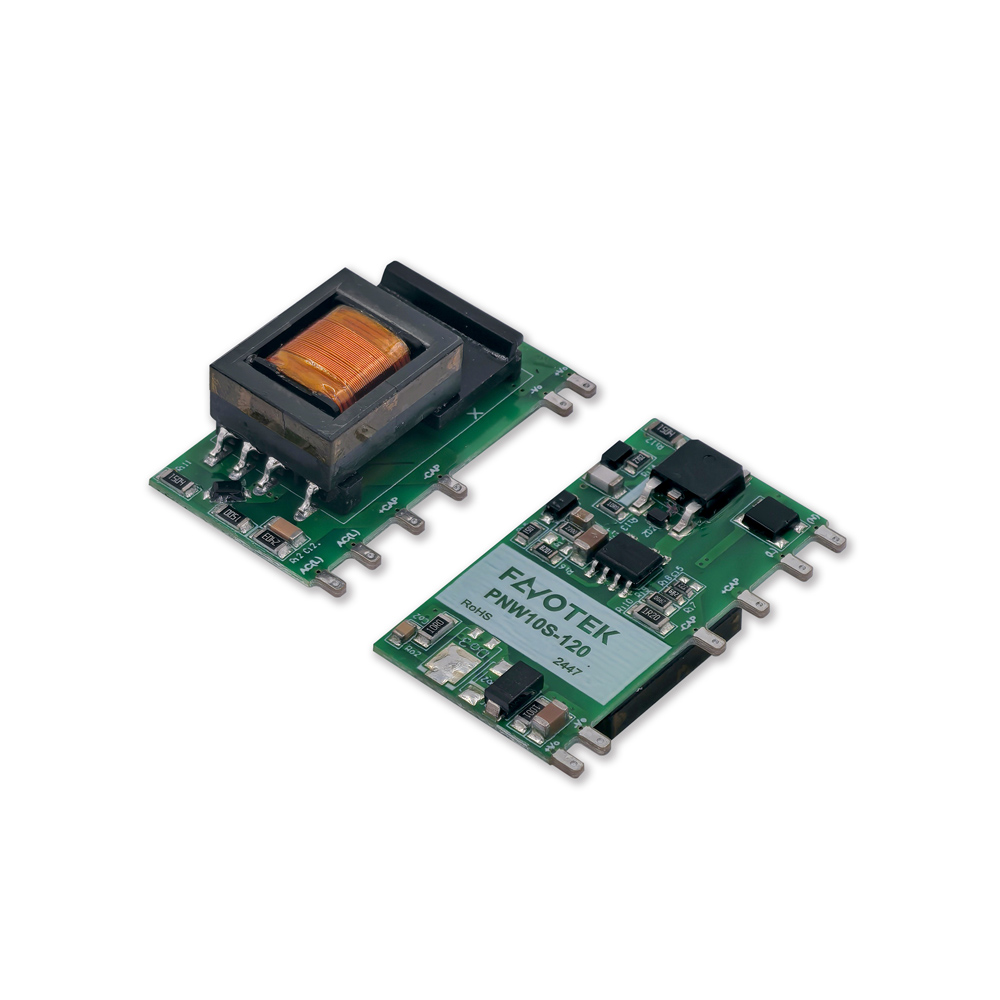
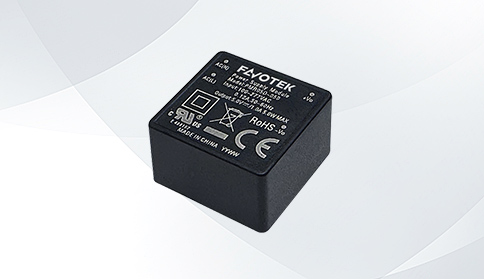
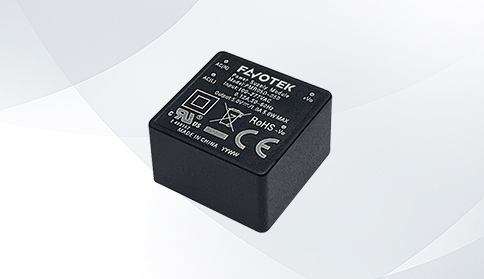
A compact 10 W AC/DC platform for applications that benefit from one ultra-wide mains input range — a single module that powers meters across global grids.
A coordinated portfolio for mains conversion, low-voltage rails and isolated auxiliary power.
| Power function | Series | Key specs | Typical application |
|---|---|---|---|
| Wide-input AC/DC | PNW | 5/10 W · 90–528 VAC · 4000 VAC | Global or ultra-wide-input meter platforms |
| Standard-input AC/DC | PNR | 3–15 W · 85–305 VAC · 4000 VAC | Cost-optimized meter platforms |
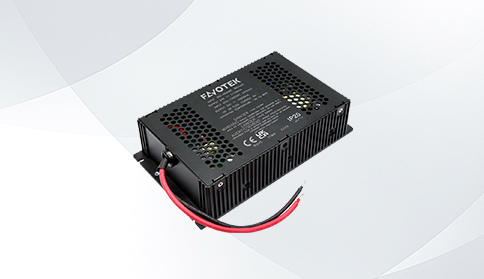
| Encapsulated AC/DC | PMR | 3–60 W · 85–305 VAC · potted | Outdoor / coastal / harsh-environment meters |
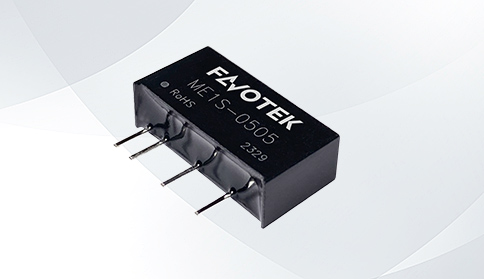
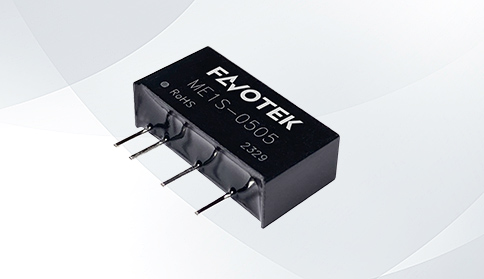
| High-isolation DC/DC | MEK | 1 W · 3 kVDC · 89% · SMD/SIP | PLC / RS-485 communication isolation |
| Extra-high-isolation DC/DC | MEG | 1 W · 6 kVDC · 90% · SIP7 | High-isolation auxiliary domains |
| Non-isolated DC/DC | RM | 1–2 A · 5 V · 96% · SIP | MCU, metering and auxiliary rails |
| Wide-input DC/DC | MU / MV | 4:1 / 2:1 · 1.6 / 1.5 kVDC | Backup and auxiliary DC conversion |
Representative series mapped to meter power domains. Contact FAVOTEK for detailed part numbers, output options and qualification status.
Power platforms, engineering support and supply capability for long-term meter programs. 3-year warranty · designed to match 10+ year meter field-life cycles.
AC/DC and DC/DC options across multiple meter power domains.
Standard and ultra-wide-input solutions for different grid requirements.
Product selection, reference circuits, EMC support and power-tree review.
Support from evaluation and qualification through repeat production.
Samples for prototype development and electrical evaluation.
Recommended application circuits for selected power modules.
External component and reference filter guidance where applicable.
Review of input range, rails, isolation and product selection.
Existing design struggled with 78% efficiency and high standby, failing the latest energy-efficiency directive. FAVOTEK PNW platform dropped in pin-to-pin.
High salt-spray and humidity caused corrosion and elevated field failure rates with standard open-frame modules. Switched to encapsulated PMR series.
Tell us your input range, output rails, continuous and peak power, isolation requirements, EMC targets and available board space. Our engineering team can recommend suitable AC/DC and DC/DC modules for evaluation.